
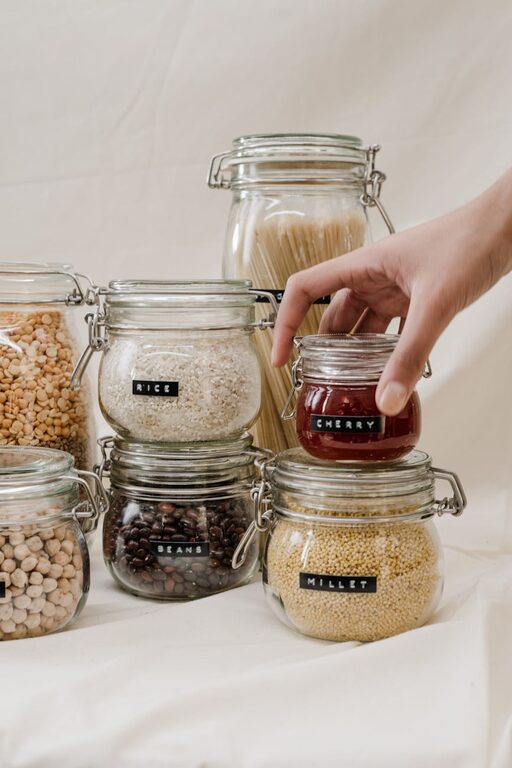
Planning meals from pantry staples is a smart way to make mealtime easier, reduce grocery bills, and avoid food waste. Your pantry likely contains a variety of ingredients that can be combined in many creative ways to prepare satisfying and nutritious dishes. Whether you’re aiming to save time or stretch your food budget, knowing how to plan meals around what you have on hand can be a game changer.
In this post, we will explore how to assess your pantry, build versatile meal ideas, and make the most of staple ingredients in your kitchen.
Why Plan Meals Using Pantry Staples?
Using pantry staples to plan meals offers several benefits:
– Cost-effective: You use what you already own, cutting down on extra trips to the store.
– Less waste: Planning around existing items helps prevent food spoilage.
– Convenience: Knowing your options speeds up meal preparation.
– Variety: Staples are versatile, allowing many recipe combinations.
Step 1: Take Inventory of Your Pantry
Start by taking a clear inventory of what you have. Open your pantry shelves and list items in these categories:
– Grains: rice, pasta, quinoa, oats, couscous
– Legumes: beans, lentils, chickpeas (canned or dry)
– Canned goods: tomatoes, vegetables, tuna, broth
– Baking supplies: flour, sugar, baking powder, spices
– Oils and vinegar: olive oil, vegetable oil, apple cider vinegar
– Nuts and seeds: almonds, pumpkin seeds, chia seeds
– Miscellaneous: sauces, condiments, dried herbs
Organizing this inventory will give a clear picture of what’s ready to use, what might need replenishing soon, and which ingredients work well together.
Step 2: Identify Your Meal Base Options
Once you know what you have, think about the foundation of your meals. Most recipes will start with a base such as:
– Grain-based: rice bowls, pasta dishes, or couscous salads.
– Legume-based: soups, stews, or bean salads.
– Egg or dairy-based: frittatas or cheesy casseroles, if you have these fresh ingredients.
For example, if your pantry has canned chickpeas and rice, you can plan a nutritious chickpea and rice pilaf. If you have pasta and canned tomatoes, a quick pasta with tomato sauce is simple and satisfying.
Step 3: Match Staples with Fresh or Refrigerated Ingredients
Pantry staples should be paired with fresh or refrigerated items when possible. Consider adding:
– Vegetables like onions, garlic, carrots, spinach, or frozen veggies.
– Proteins like eggs, cheese, or cooked meats.
– Fresh herbs or citrus to brighten flavors.
This creates balanced meals with a fresh touch and variety in taste and texture.
Step 4: Use Meal Themes to Simplify Planning
Assign themes to your meals to keep ideas flowing easily:
– Soup and stew night: Use broth, canned tomatoes, lentils, and spices.
– Pasta night: Combine pasta, olive oil, garlic, and any canned vegetables.
– Grain bowl: Start with rice or quinoa, top with beans, nuts, and fresh veggies.
– Stir-fry: Use rice or noodles with canned or frozen veggies and a simple sauce.
These frameworks help you think “ingredient first,” making the planning process intuitive.
Step 5: Keep a List of Easy Pantry Staple Recipes
Having a list of go-to recipes saves time. Here are some simple ideas:
Pantry Staple Recipe Ideas
– Tomato and Chickpea Curry: Simmer canned chickpeas with canned tomatoes, curry powder, garlic, and onion. Serve over rice.
– Lentil Soup: Combine lentils, canned tomatoes, broth, carrots, and spices.
– Pasta Aglio e Olio: Cook pasta and toss with olive oil, garlic, chili flakes, and Parmesan cheese.
– Bean Salad: Mix canned beans with olive oil, vinegar, diced onion, and herbs.
– Oatmeal with Nuts and Seeds: A nutritious breakfast using pantry oats topped with nuts and dried fruit.
Step 6: Batch Cook or Prep Ahead When Possible
If you have time, cook larger batches of base ingredients like rice, beans, or pasta to use throughout the week. Store in airtight containers for quick meal assembly. This reduces daily cooking time and makes it easier to throw meals together on busy days.
Step 7: Monitor Staples to Avoid Running Out
Once you start planning with pantry staples regularly, keep track of what you use most often and replenish those items. This way, your pantry stays ready for your next meal planning session.
Tips to Maximize Your Pantry Meal Planning
– Keep your pantry organized and visible to avoid forgetting ingredients.
– Label containers and use clear storage when possible.
– Experiment with spices and herbs to add different flavors.
– Mix canned and dry goods for texture and nutrition variety.
– Don’t hesitate to substitute ingredients if you’re missing something.
Final Thoughts
Planning meals using pantry staples can simplify your cooking routine and help you enjoy meals made from ingredients you already have. By taking stock, pairing staples with fresh items, and keeping simple recipes handy, you’ll build confidence in making tasty, diverse meals with ease. Try it out today and see how pantry staples can transform your meal planning!
Happy cooking!