
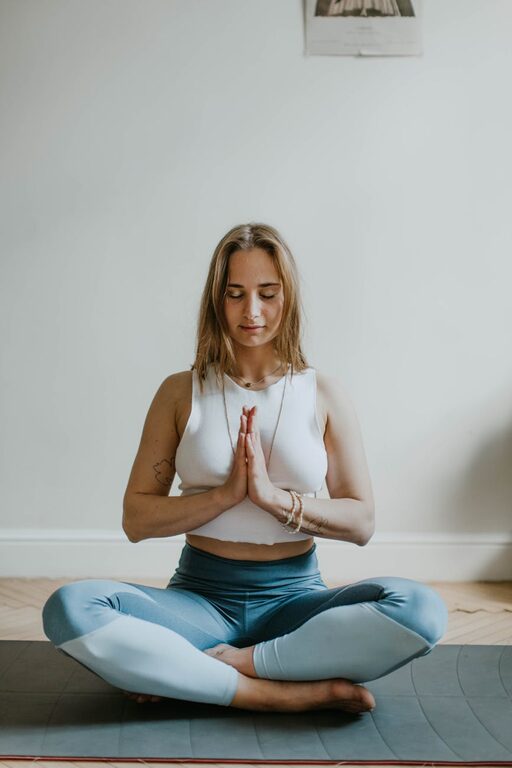
Taking mindful breathing breaks is a simple yet powerful way to improve your well-being throughout the day. Whether you’re at work, home, or on the go, pausing to focus on your breath can help lower stress, increase concentration, and bring a sense of calm. If you’re new to mindfulness or breathing exercises, this guide will walk you through beginner-friendly tips to start incorporating mindful breathing breaks into your daily routine.
What Is Mindful Breathing?
Mindful breathing is the practice of paying close attention to your breath—in a calm and non-judgmental way. Instead of rushing through the day, you slow down and notice the natural rhythm of inhaling and exhaling. This awareness anchors you to the present moment and gently shifts your focus away from worries or distractions.
Why Take Mindful Breathing Breaks?
Short breathing breaks throughout the day offer several benefits, including:
– Stress reduction: Deep, conscious breaths activate the body’s relaxation response.
– Improved focus: Mindful breathing clears mental clutter and sharpens concentration.
– Emotional balance: It helps regulate emotions by calming the nervous system.
– Increased energy: Oxygenating your brain can reduce feelings of fatigue.
– Better posture: Being mindful of breath helps improve overall body alignment.
Even a few minutes can make a noticeable difference.
How to Get Started: Beginner Tips
1. Find a Comfortable Position
You don’t need a special seat or yoga mat to start. You can sit upright in a chair with your feet flat on the floor, lie down comfortably, or even stand. The key is to keep your back straight but relaxed, so air flows freely in and out.
2. Set a Timer for Short Sessions
Starting with 1 to 5 minutes per session is enough for beginners. Setting a gentle timer helps you stay consistent without worrying about checking the clock. You can gradually increase the length as you become more comfortable.
3. Focus on Your Breath
Close your eyes if it feels comfortable. Begin by noticing the sensation of your breath entering through your nose, filling your lungs, then slowly leaving your body. Don’t try to control your breath; simply observe its natural flow.
4. Use a Counting Method
If your mind wanders, use a simple technique like counting each breath cycle. For example:
– Inhale slowly for a count of 4
– Hold the breath briefly for a count of 2 (optional)
– Exhale slowly for a count of 6
Adjust the counts to what feels natural. This helps maintain focus and calm the nervous system.
5. Practice Deep Belly Breathing
Instead of shallow chest breathing, try diaphragmatic or belly breathing. To do this:
– Place one hand on your belly and one on your chest.
– Breathe in deeply through your nose and notice your belly rising.
– Exhale fully through your nose or mouth, feeling your belly fall.
This increases oxygen intake and promotes relaxation.
Tips to Incorporate Mindful Breathing into Your Day
Make It a Routine
Choose specific moments during the day for your mindful breathing breaks. For example:
– Upon waking up
– Before or after meals
– During work breaks
– Before going to sleep
Consistent practice helps build a habit that supports long-term calmness and focus.
Use Reminders
Set reminders on your phone or computer to prompt breathing breaks. Visual cues like post-it notes on your desk or a mindfulness app can be useful.
Combine with Other Mindful Practices
Pair mindful breathing with gentle stretches, a short walk, or listening to calming music for a more holistic relaxation experience.
Create a Quiet Space
Whenever possible, find a quiet and comfortable spot to minimize distractions. This can be a corner of your room, a park bench, or even your car during a break.
Common Challenges and How to Overcome Them
Difficulty Focusing
It’s normal for your mind to wander, especially when starting out. When you notice this, gently bring your attention back to the breath without frustration or judgment.
Feeling Restless or Uncomfortable
If sitting still feels challenging, try standing or incorporating gentle movements with your breath, like raising your arms slowly as you inhale and lowering them as you exhale.
Impatience for Results
Remember that mindfulness is a skill developed over time. Benefits tend to build gradually with regular practice.
When to Seek Additional Support
If you experience intense anxiety, difficulty breathing, or emotional distress while practicing mindful breathing, consider reaching out to a qualified mindfulness instructor or mental health professional.
Final Thoughts
Mindful breathing breaks are a convenient and effective way to nurture your mental and physical well-being. By starting with small, manageable steps—and being kind to yourself along the way—you can develop a calming daily practice that fits seamlessly into your life. Take a deep breath, and enjoy the moment!