
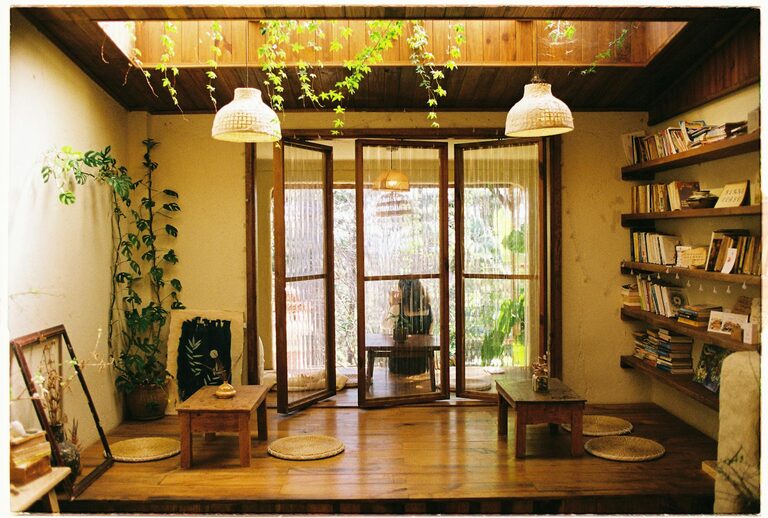
Creating a cozy and inviting atmosphere in your home often starts with the lighting you choose. Comfortable home lighting not only brightens your space but also influences your mood, productivity, and overall wellbeing. Whether renovating a room or updating your fixtures, knowing how to pick the right lighting can make a big difference.
In this post, we’ll explore practical tips to help you select lighting that brings comfort and functionality to every corner of your home.
Why Comfortable Lighting Matters
Lighting affects more than just visibility. It shapes the ambiance, supports tasks like reading or cooking, and can even impact energy use. Harsh or poorly planned lighting can cause eye strain and fatigue, while well-chosen lighting can create warmth and relaxation.
Understanding different lighting qualities will empower you to make choices that enhance your living space while conserving energy.
Consider the Types of Lighting
There are three main types of lighting to think about:
– Ambient Lighting: This is the general, overall lighting of a room. It provides uniform illumination and ensures safe movement.
– Task Lighting: Focused lighting designed to help with specific activities such as reading, cooking, or working.
– Accent Lighting: Used to highlight decorative elements like artwork, plants, or architectural features.
Combining these layers helps create a balanced and comfortable lighting scheme.
Tips for Choosing Comfortable Home Lighting
1. Assess Your Space and Needs
Begin by evaluating each room’s purpose and how you use it. A living room where you relax may benefit from warm, dimmable lighting, while a kitchen requires brighter, focused task lighting.
2. Opt for Adjustable Fixtures
Choose fixtures with adjustable brightness or color temperature to tailor the lighting to different times of day or activities. Dimmers and smart bulbs can be very helpful in customizing comfort.
3. Select Warm Color Temperatures
Lighting color is measured in Kelvins (K). For most living spaces, aim for warm white light (around 2700K-3000K). It feels cozy and inviting, unlike cooler blue-white light which can seem harsh or clinical.
4. Prioritize Energy Efficiency
LED bulbs are widely recommended since they offer good quality light, lower energy consumption, and long life. This not only reduces electricity bills but also minimizes frequent bulb replacements.
5. Avoid Glare and Shadows
Glare from bright or improperly placed lights can strain your eyes. Use lampshades, diffusers, or indirect lighting techniques to soften illumination. Also, position lights to minimize harsh shadows, especially in work or reading areas.
6. Layer Your Lighting
Combine ambient, task, and accent lighting for the best effect. For example, in a dining room, use overhead lights for general illumination, a pendant light over the table for focus, and wall sconces or candles to add warmth.
7. Match Style and Fixture Size to Your Space
Besides comfort, consider the style and scale of your lighting. Oversized fixtures in small rooms can overwhelm, while tiny lamps in large spaces may not provide enough light. Choose designs that blend well with your decor and architecture.
8. Use Natural Light to Your Advantage
Maximize daylight by arranging furniture near windows and using light curtains. Natural light improves mood and reduces the need for artificial lighting during the day.
Room-by-Room Lighting Suggestions
Living Room
– Use warm, ambient lighting with dimmable ceiling fixtures.
– Add task lighting with floor or table lamps near seating areas.
– Include accent lighting to highlight artwork or shelves.
Kitchen
– Bright, cool white LEDs for overhead lighting to ensure visibility.
– Under-cabinet lights for focused countertop illumination.
– Pendant lights over islands or breakfast bars for style and function.
Bedroom
– Soft, warm bedside lamps with adjustable brightness.
– Overhead light with dimmer controls.
– Consider wall sconces or indirect lighting to create a calming vibe.
Bathroom
– Bright, shadow-free lighting around mirrors for grooming.
– Use waterproof fixtures rated for bathroom use.
– Combine ceiling lights with task lighting for flexibility.
Maintaining Your Lighting for Comfort
Once you choose the right lighting, keep it working well by regularly cleaning fixtures and replacing bulbs promptly. Check for any flickering or dimming that may indicate a need for repair. If you use smart lighting, update software to access new features.
Final Thoughts
Choosing comfortable home lighting is about balancing function, style, and energy efficiency. By assessing your needs, layering different lighting types, and selecting warm tones and adjustable fixtures, you can create inviting spaces that suit your lifestyle.
Remember, a well-lit home enhances your comfort and enjoyment every day. Start experimenting with your lighting choices, and you’ll notice the positive shift in your home’s atmosphere.
—
Feel free to share your favorite lighting tips or questions in the comments below!